How Flower Mound Turns an Entire Month Into a Celebration of Local Art
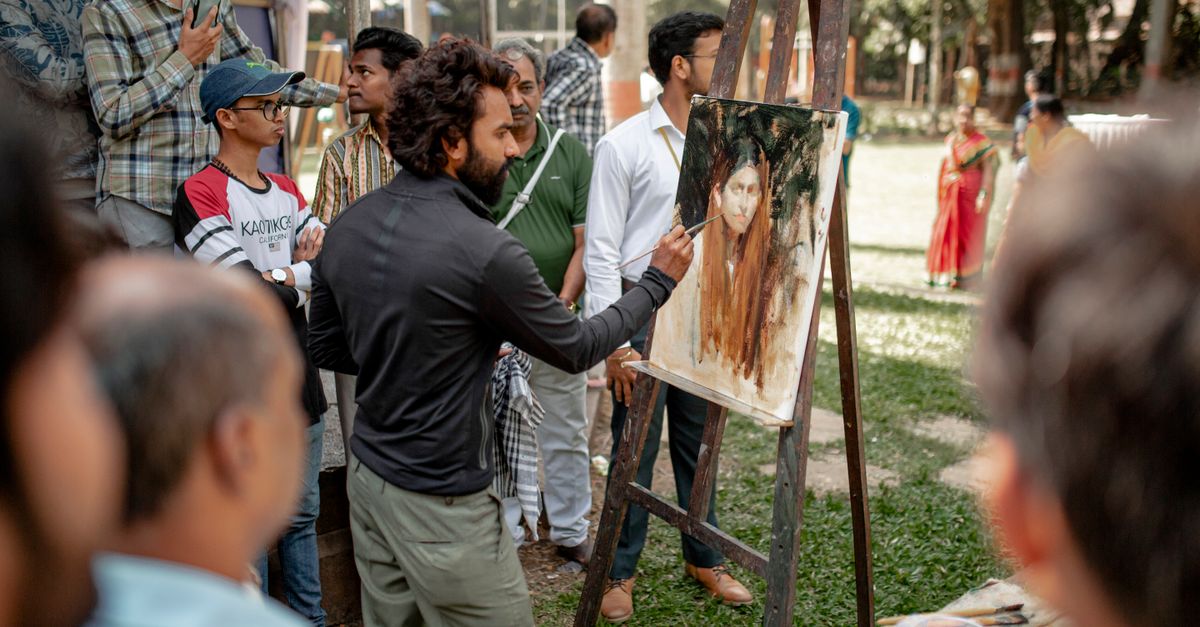
November is Flower Mound Arts Month, with rotating exhibitions at Town Hall, the Library, Senior Center, and CAC showcasing local artists' work.
Why Does Flower Mound Dedicate an Entire Month to the Arts?
For many towns, arts programming means a single event — a weekend festival, a one-night gallery opening, a seasonal craft fair. Flower Mound takes a broader view. Every November, the town aligns itself with National Arts and Humanities Month and uses that national framework as a reason to do something distinctly local: push original work by Flower Mound artists into the civic spaces residents already pass through every week.
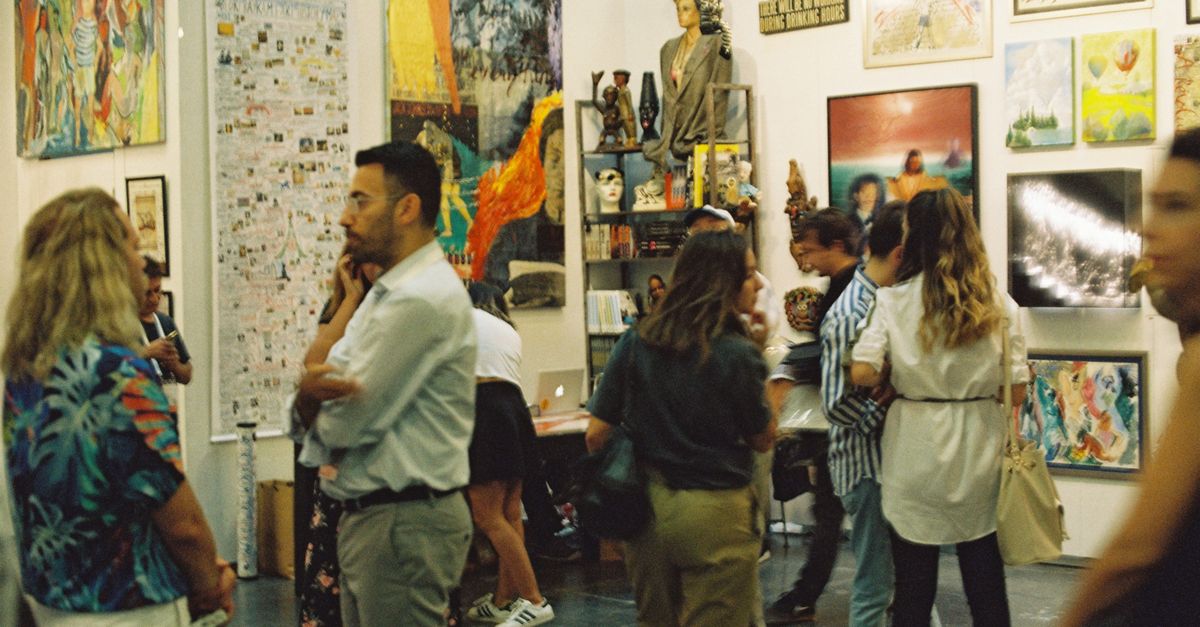
The 2026 Flower Mound Arts Month runs through all of November. Its centerpiece is a rotating exhibition of local artists’ work displayed simultaneously at Town Hall (2121 Cross Timbers Road), the Flower Mound Public Library, the Senior Center, and the Community Activity Center at 1200 Gerault Road. That four-venue model is worth examining on its own terms, because it says something meaningful about how the town thinks art should function in a community.
What Does It Mean to Display Art in Civic Buildings?
Galleries and dedicated arts centers create a specific kind of encounter with art — one that requires an intentional decision to show up. You have to seek the gallery out. Civic buildings operate differently. When original artwork hangs at Town Hall or circulates through a library branch, it enters the peripheral vision of people who came for entirely other reasons: to pay a water bill, return a novel, attend a meeting, pick up a grandchild from a Senior Center program.
That incidental exposure is not a lesser form of arts engagement — it can be an argument for why public arts funding matters in the first place. The work finds audiences who might never walk through a conventional gallery door. In Flower Mound, where the population skews toward working families with packed schedules, the logic of bringing art to civic life rather than asking residents to seek it out elsewhere is particularly coherent.
The rotating format adds another layer. A static exhibition rewards a single visit. A rotating one gives residents a reason to look again the next time they’re in the building — and potentially to notice that something has changed, which itself is an act of attention that an artwork can prompt.
Which Spaces Are Carrying the Exhibition?
The four venues selected for the Arts Month exhibition each serve a distinct slice of the Flower Mound population, and that breadth appears deliberate.
Town Hall on Cross Timbers Road is the most formal civic address in the rotation — the seat of municipal government, a building that carries institutional weight. Placing artists’ work there sends a signal about how the town values creative expression relative to other civic priorities.
The Flower Mound Public Library is perhaps the most naturally compatible host. Libraries and art have a long shared history, both rooted in the idea that cultural materials should be freely accessible. The library’s physical layout — browsing areas, reading rooms, corridors between stacks — creates natural pauses where a piece of art on a wall can hold a visitor’s attention for a moment longer than they planned.
The Senior Center brings the exhibition to an audience that is sometimes overlooked in community arts conversations. Older residents who may not drive to evening events or weekend festivals still move through their regular routines, and an arts rotation at the Senior Center acknowledges that engagement with creative work does not have an age ceiling.
The Community Activity Center at 1200 Gerault Road is probably the highest-traffic venue in the group. CAC programming draws residents for fitness classes, community meetings, youth activities, and recurring civic events — including the Parks and Recreation department’s own Make Your Mark community arts event scheduled for November 7. The proximity of that hands-on art-making event to an ongoing professional exhibition creates an interesting continuum: residents can look at finished work in the building and then, on the right Saturday, make something themselves in the same space.
How Does Arts Month Connect to What’s Already Happening Around Town?
The November timing means Arts Month overlaps with several other creative initiatives that the town has already set in motion. The 2026 Traffic Signal Box Art Project, which wrapped three intersections around Flower Mound with original designs earlier this year, is still on public view — Lauren Cooper’s folk-style work at Flower Mound and McKamy Creek roads, Michelle Pavlik’s layered nature scene at Garden Ridge Boulevard and Spinks Road, and Yvonne Gambino’s geometric “Infinite Reflections” at Morriss Road and College Parkway. Those outdoor pieces and the indoor exhibition together mean that a resident moving through an ordinary week in Flower Mound during November can encounter local art in a parking lot, on a commute, at the library, and at a government building without making any special effort to find it.
That density of exposure across public and civic space is what distinguishes a genuine arts month from a calendar entry. It requires coordination across departments and venues, and it suggests that the town’s Parks and Recreation department — which administers much of this programming — is thinking about art as infrastructure rather than amenity.
Who Are the Artists, and How Does the Rotation Work?
The town has not specified in advance which artists’ work will appear at which venue, or in what order pieces will rotate. That ambiguity, while it may frustrate residents who want to plan a specific visit, also reflects something honest about how a rotating exhibition functions: it is a living program rather than a fixed show. The practical implication for residents is that multiple visits to any of the four venues over the course of November are likely to yield different experiences.
Local artists whose work appears in civic exhibitions like this one occupy an unusual position. Their audience is not self-selected in the way a gallery audience is. A piece hanging in a library or a government building will be seen by people who love art and people who have never given it much thought, by children waiting for a parent and retirees killing time before an appointment. Making work that holds up across that range of viewers — without becoming generic or decorative — is its own creative challenge.
Why Does Any of This Matter for a Town Like Flower Mound?
Flower Mound is, by most measures, a community built around residential quality of life. The town’s green space, its schools, its parks and trail systems all reflect an investment in what daily life feels like for the people who live here. Arts Month, understood in that context, is not a separate category of civic activity — it is consistent with the same underlying logic. The question it answers is whether a town can take seriously the idea that original creative work, made by people who actually live here, belongs in the spaces where residents gather.
For the month of November, Flower Mound’s answer is displayed on four sets of walls across the community, rotating quietly while people come in for everything else.
The Flower Mound Insider
The latest local openings, reviews, and weekend events — delivered to your inbox.